
Fintech companies have changed customer expectations forever. Banks know this, but there is a gap between knowing and actually responding, a gap that someone else will fill. This article explores where the line lies today between the bank that customers tolerate and the one they actively want.
Banking app doesn’t make decisions for the customer. But it does shape their experience.
If you had asked customers 30 years ago what factors influenced their choice of bank, the answers would have been clear: the interest rate, the availability of a branch in their city, and a name that inspired trust. Today, while these factors are still important, they are no longer the ones that win the day.
The banking market has shifted from a battle for the “best product” to a battle for the “best experience”. Bank offerings are similar today, but what differs dramatically is the digital image and the bank’s ability to adapt to the needs of today’s (and tomorrow’s) customers. The app is becoming the face of the bank, which customers see 50 times a month.
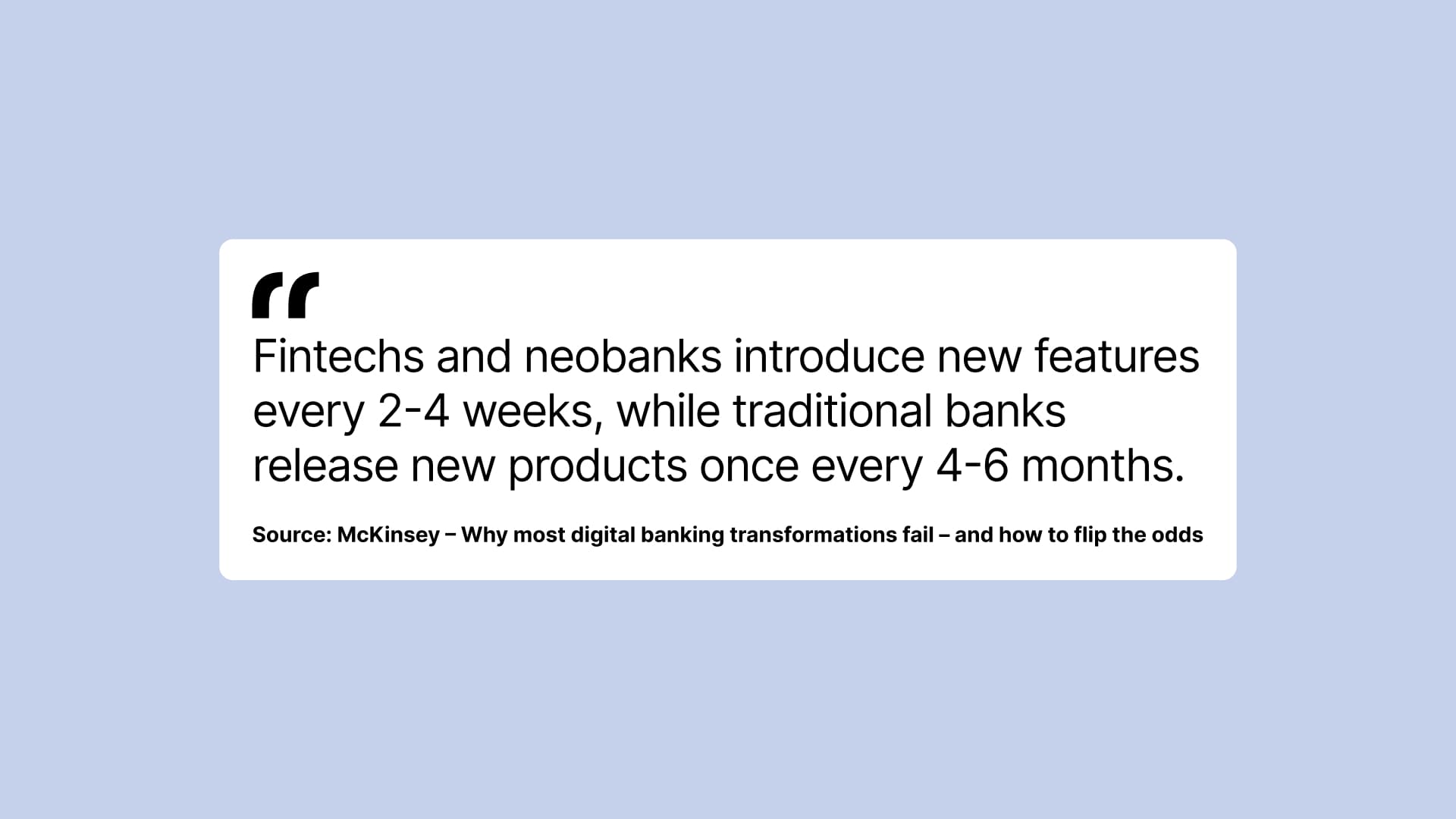
When a digital image attracts and retains
Formally, a client establishes a relationship with a bank by signing a contract. Informally, however, this relationship is shaped by small moments: when they check their balance, try to send money quickly, or figure out where their paychecks are going.
In these moments, the difference emerges between the app the client has to use and the one they want to use. If a bank today fails to offer an experience comparable to modern fintechs, it risks the client switching to someone who understands them better.
Onboarding as the first impression
You only get one chance to make a first impression. Fintechs like Revolut and N26 have set the bar uncompromisingly high: onboarding in under 2 minutes. What does this mean in practice?
- No more waiting: Digital identity verification via bank credentials is now the gateway that clients want to pass through immediately and without visiting a branch.
- Seamless biometrics: Logging in via FaceID should not be an obstacle, but an invisible helper that speeds up every payment.
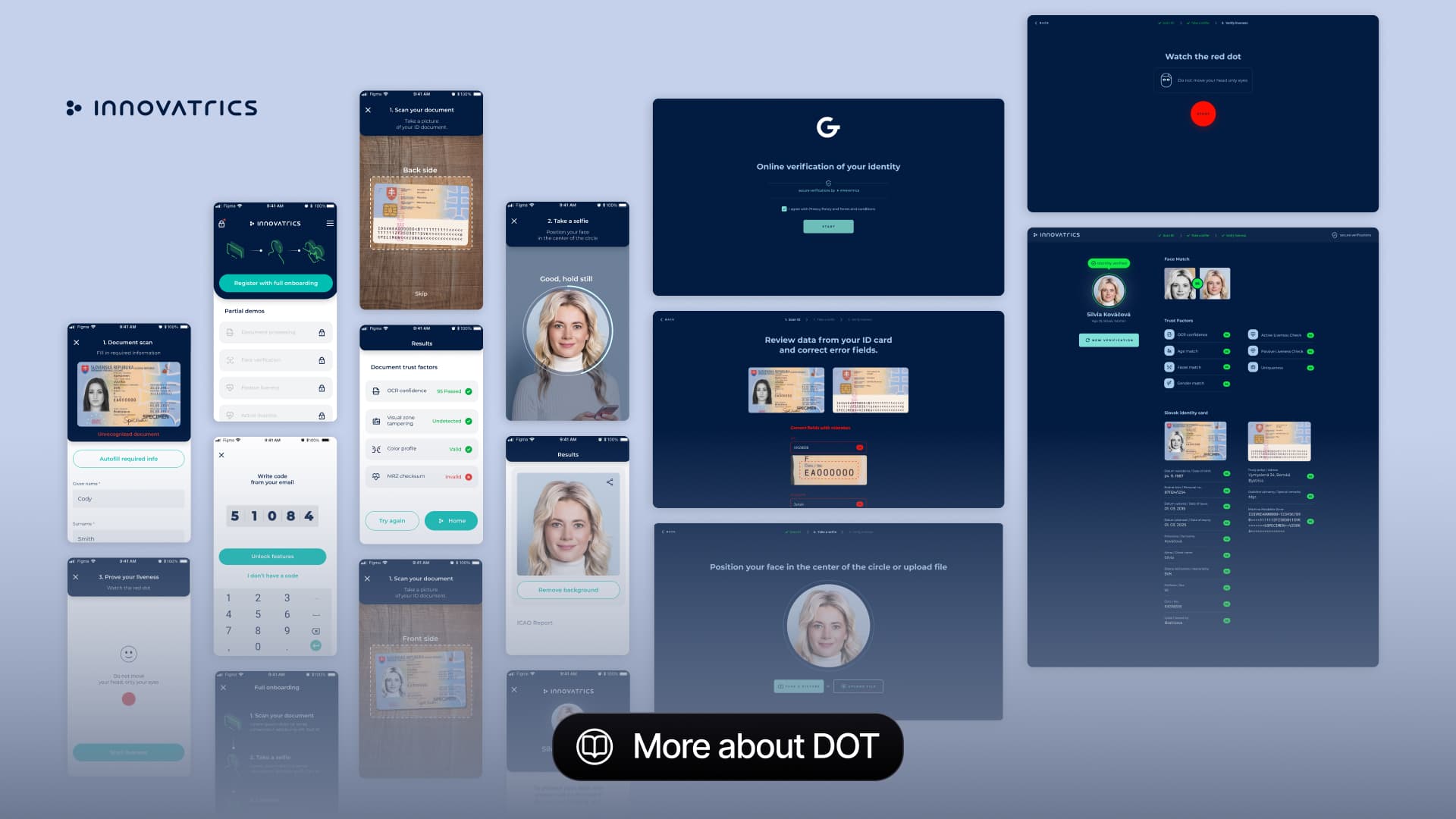
An example is the solution from Innovatrics, a Slovak leader in biometrics operating in more than 50 countries. For their DOT (Digital Onboarding Toolkit) product, we designed and developed a mobile app that handles the entire identity verification process. From photographing documents to advanced liveness detection, everything takes less than a minute. Banks around the world are using this technology today.
Simplicity that conceals complexity
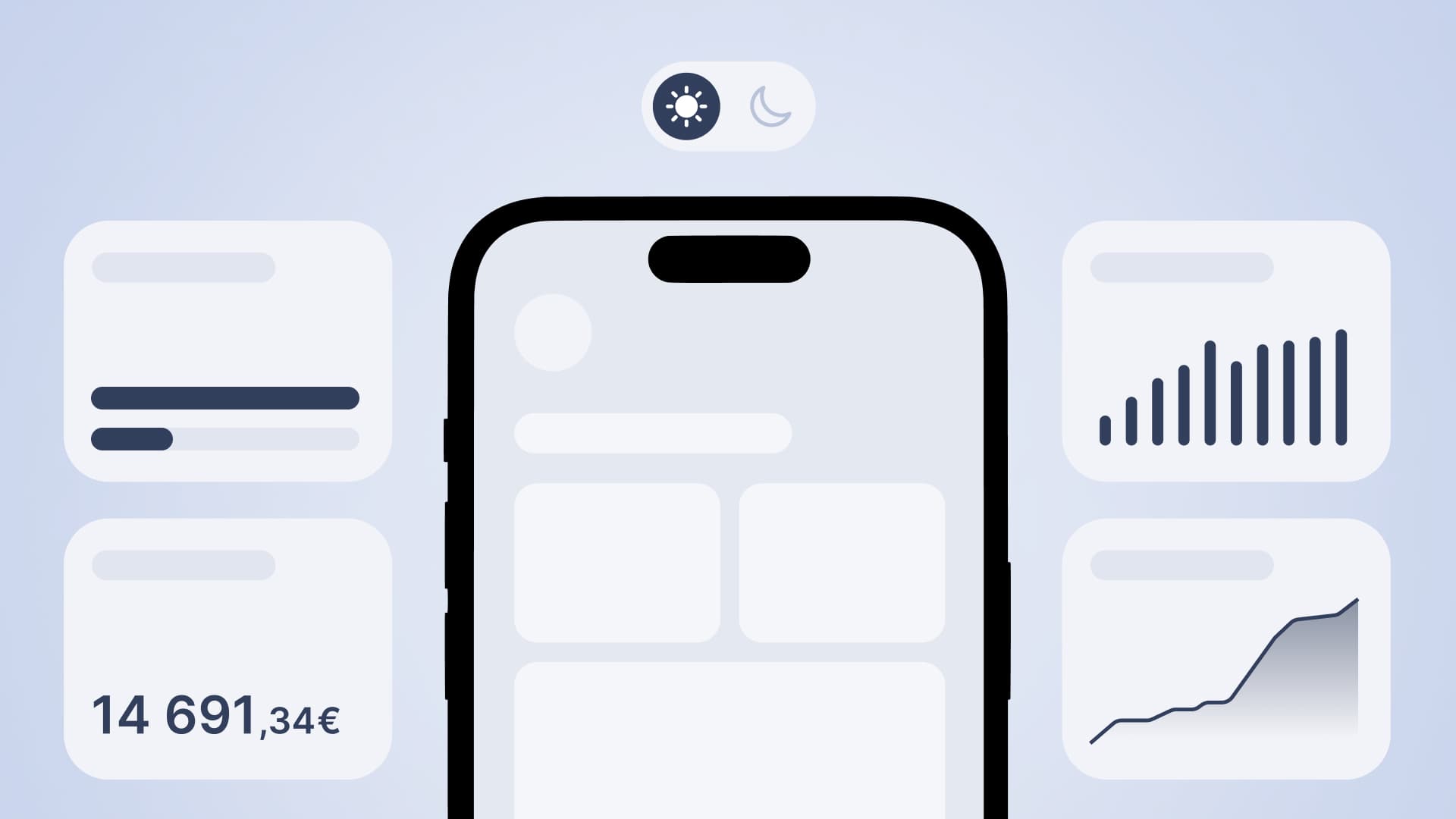
Well-designed banking apps today rely on the ability to handle complexity behind the scenes and show users only what they need at any given moment. This doesn’t mean that if a banking app looks good, everything is great. That’s just one part; an even more important one follows – a series of decisions about what to show, what to hide, when to alert the user, and when to let them act without interruption.
Details that you often don’t even consciously notice play a major role here:
- Microinteractions and animations – ubtle visual confirmations (such as when a payment is sent) that build a sense of certainty and control.
- Personalized notifications – not the ones that annoy, but the ones that help. A warning about a potential account overdraft based on recurring payments is in a different league from generic push notifications.
- Dynamické rozhranie – a home screen tailored to the most frequently used features. Machine learning, not a template.
Details that confirm everything went as it should.
Content design plays a major role here. Clear and concise communication that doesn’t turn clients into financial experts, but helps them manage their finances simply and responsibly. Clarity becomes a competitive advantage.
Accessibility: design for everyone (not just tech geeks)
Everyone uses financial services, from Gen Z to seniors. Older users often manage a significant portion of their family’s finances, yet the digital world has long overlooked them.
A quality product must be inclusive:
- High contrast and adjustable font size.
- Simplified view modes for those who just want to “see their money and pay.”
- Assistive technologies that make banking accessible to people with disabilities.
From static statements to investment autopilot
The days when an app was used solely to view transaction history are over. Clients no longer want to know just how much they’ve spent. They want the bank to actively help them manage their finances.
Fintechs have set the bar high with features that are attracting both younger and more affluent clients:
- Investing in a few clicks – access to ETFs and cryptocurrencies directly from the home screen, without an external broker.
- AI investment autopilot – personalized recommendations that suggest where to invest spare funds based on the client’s behavior.
- Subscription management – an overview of how much you pay for Netflix or Spotify, with the option to cancel them with a single swipe.
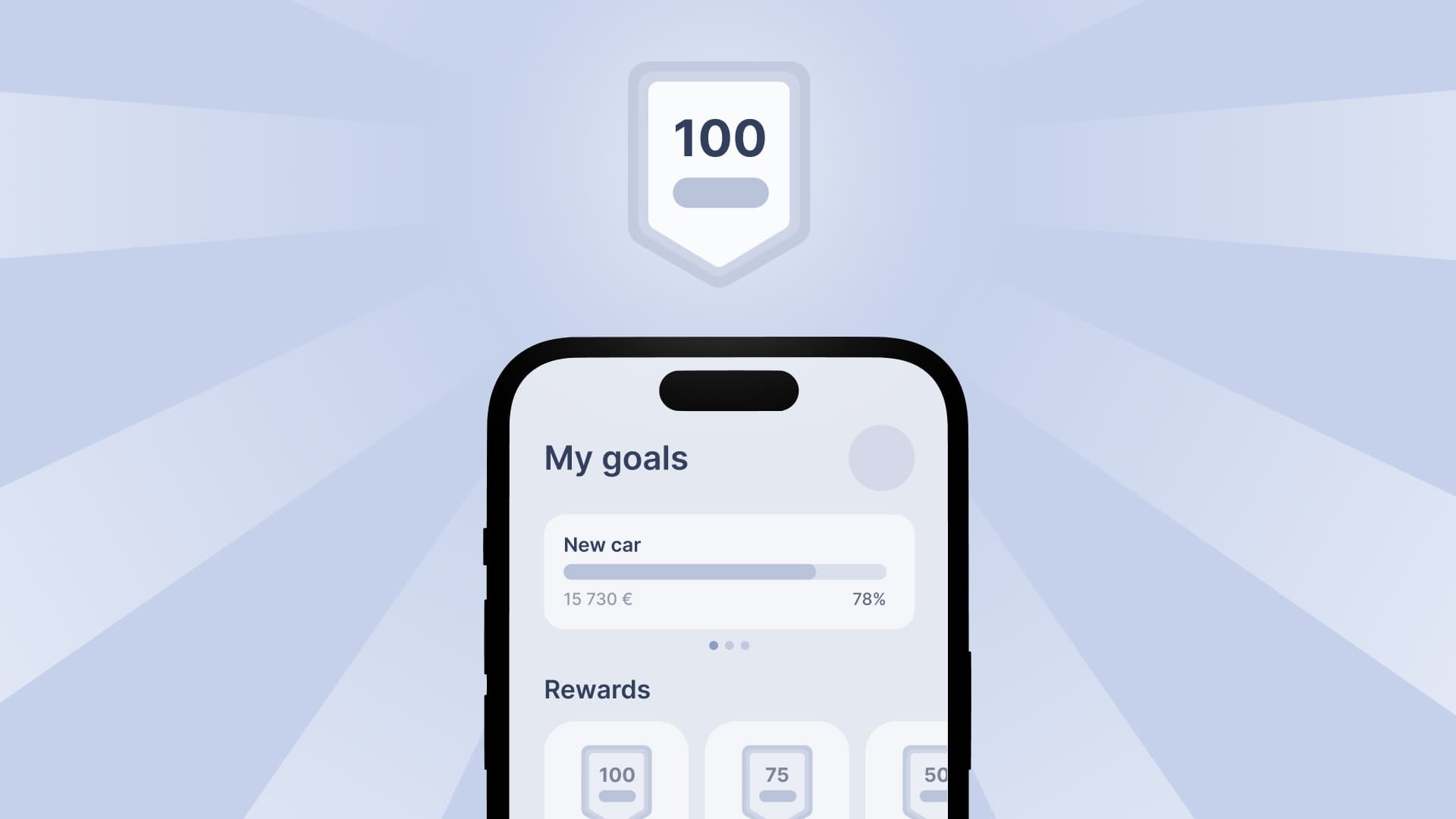
- Tracking financial goals – visual progress toward saving for a vacation or a car, which naturally motivates you to keep going.
Gamification is a tool that changes the client’s relationship with their own finances. An example is TABI from Tatra Banka: a mobile app that combines education with real banking functions and teaches children responsible money management.
Path to the "Superapp": a bank that serves you throughout your life
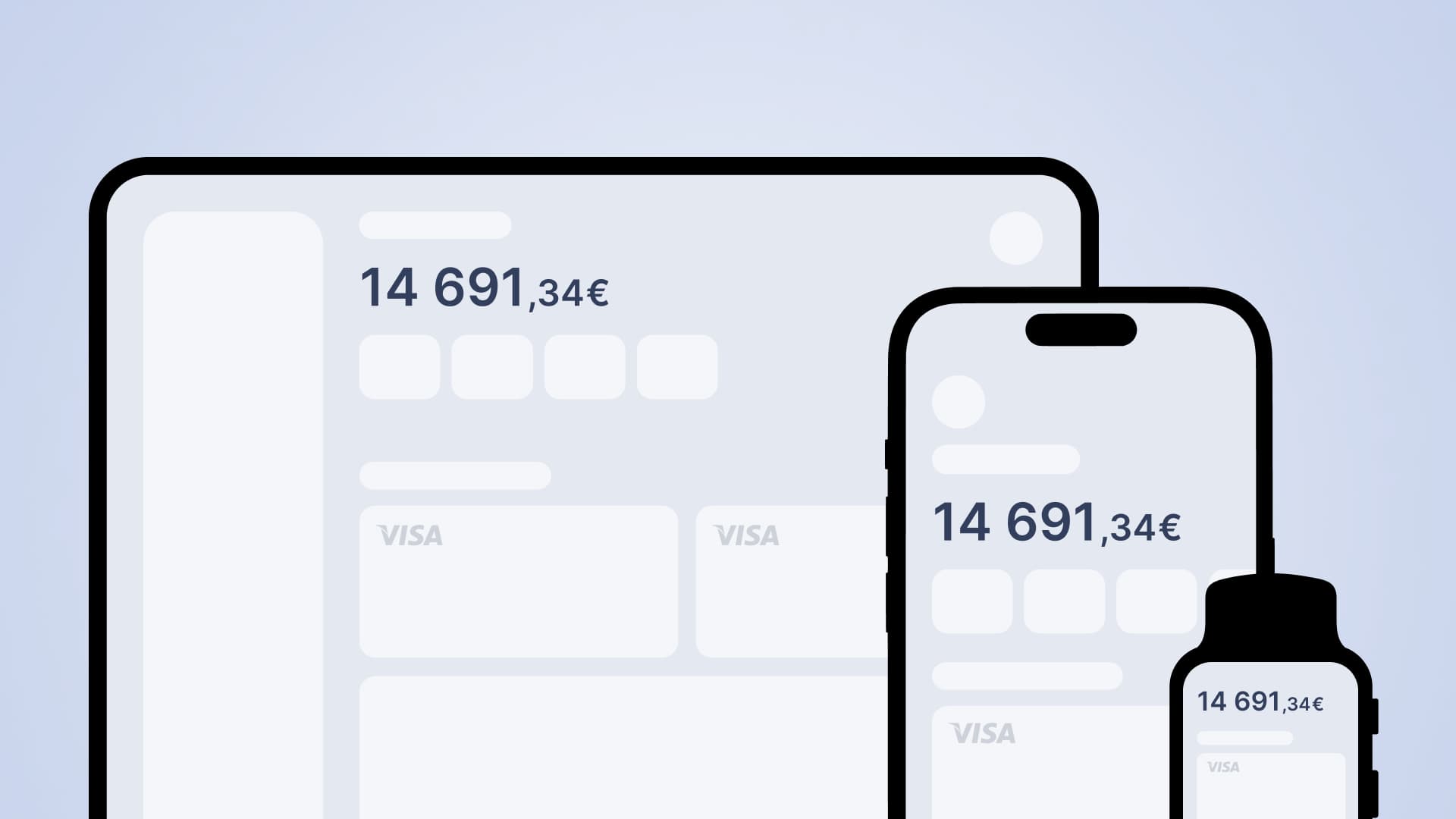
Today, banking apps are expanding beyond their traditional boundaries and adopting the concept of the Superapp – an ecosystem that integrates third-party services under one roof. Imagine buying a public transit ticket, purchasing mountain insurance, or paying for parking, all directly within your banking app.
For the customer, this means less switching between apps. For the bank, it means more data, a deeper relationship, and a stronger ecosystem. A local example is ČSOB SmartBanking, which allows you to search for ZSSK train connections, buy a ticket and a seat reservation, and pay directly from your account – all without leaving the banking app.
Self-Service: a standard that saves time and money
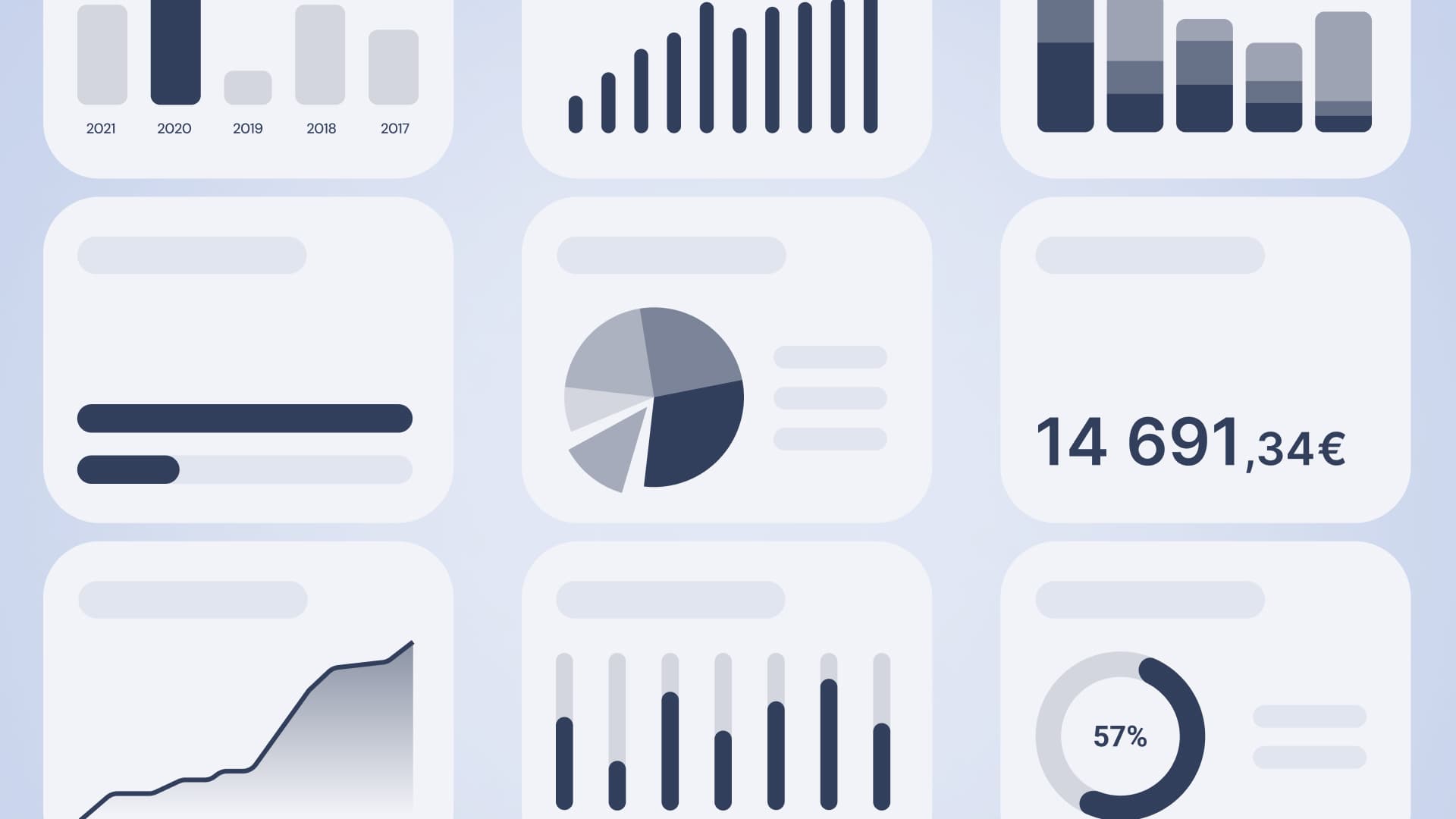
A well-designed self-service system boosts a bank’s efficiency and helps reduce operating costs (OPEX). The right digital solution can dramatically reduce the burden on branches and call centers:
- Intelligent AI Agents: They’ve moved beyond the era of static chatbots. In addition to answering questions, they can autonomously perform specific actions, such as blocking a card, changing limits, or verifying transactions.
- Dynamic FAQs: Contextual help that appears exactly when a customer gets stuck in the process.
- Digital signatures: Eliminating paper for loans and contracts through secure banking identity.
How to avoid getting stuck in the "legacy" trap?
We often encounter the concern that innovation is hindered by technical debt – decades-old systems (legacy backends) that, while stable, are as difficult to modify as performing heart surgery.
This concern is understandable. But the fear of legacy systems is more often a psychological barrier than a technical reality.
A modern digital layer can be built as an autonomous unit that communicates securely and efficiently with the old core. There’s no need to tear down the bank’s foundations to build a modern facade.
At GoodRequest, we approach this through a design-oriented process: first, we focus on the customer experience, and only then do we look for a way to connect it to the existing backend. The result is a design that can actually be programmed and won’t get stuck halfway due to the limitations of legacy systems.
What does this mean for banks?
The conclusion is quite simple. A banking app probably won’t be the only reason a customer chooses you. However, it will very quickly become the reason they stay with you, or start thinking about switching.
If it saves them time, helps them navigate their finances, and gives them control over their money, it creates a positive relationship that builds naturally through daily use. And that is precisely where its real impact lies.

Contact us
We're happy to help
Do you want to build a banking app that customers want to use, not just have to use? We’d be happy to help you find the right direction.