How we built the PSS client portal in 4 months with agentic development
About the client
Prvá stavebná sporiteľňa (PSS) has been the largest player on the Slovak building savings market since 1992, with a share of around 90 percent. By mid-2026 it managed client deposits of EUR 2.43 billion and a loan portfolio of EUR 2.22 billion. It holds a banking licence, and its shareholders are Bausparkasse Schwäbisch Hall, Raiffeisen Bausparkassen Holding, Erste Group and Slovenská sporiteľňa.
01Brief
What needed to be solved
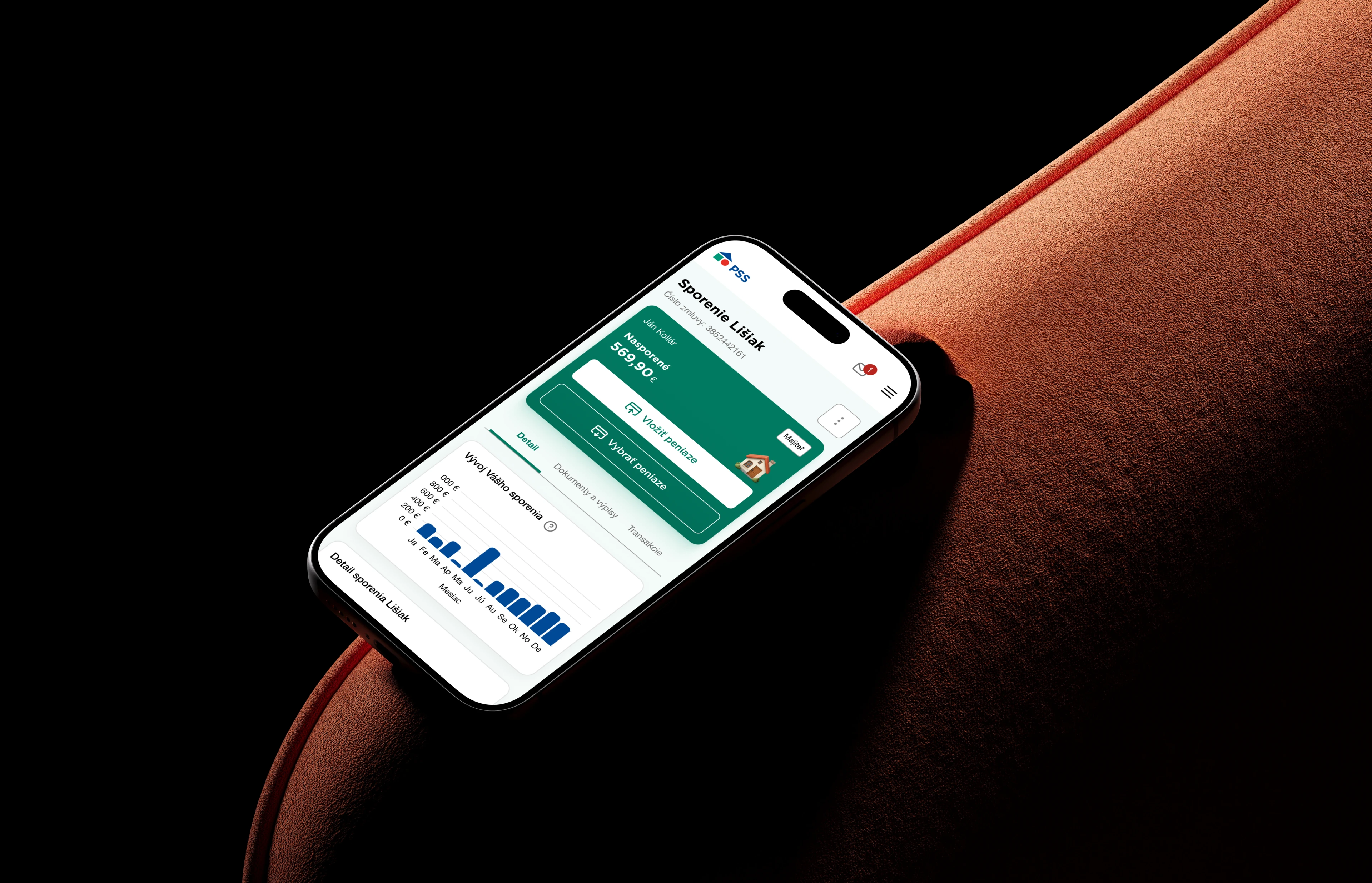
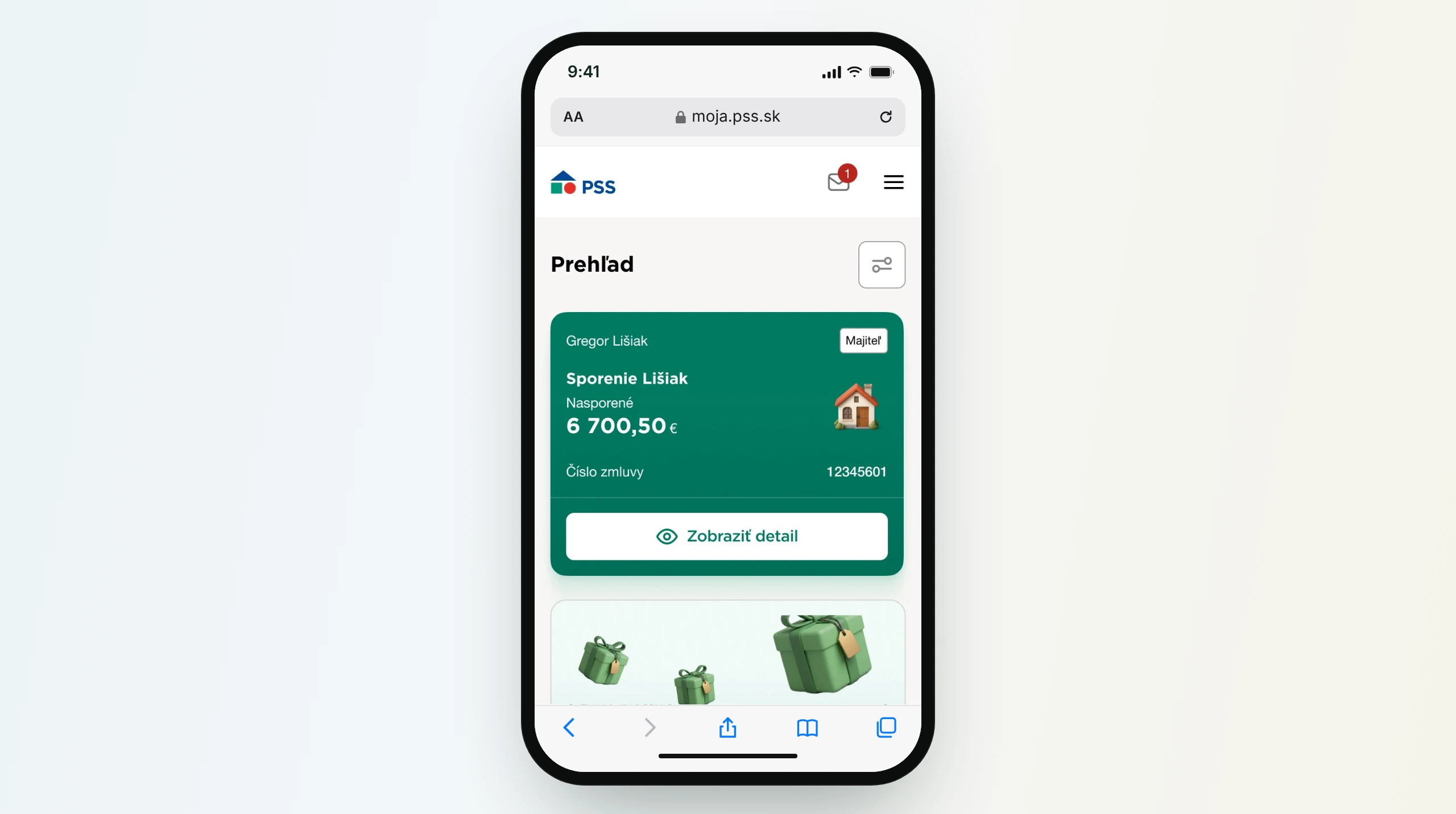
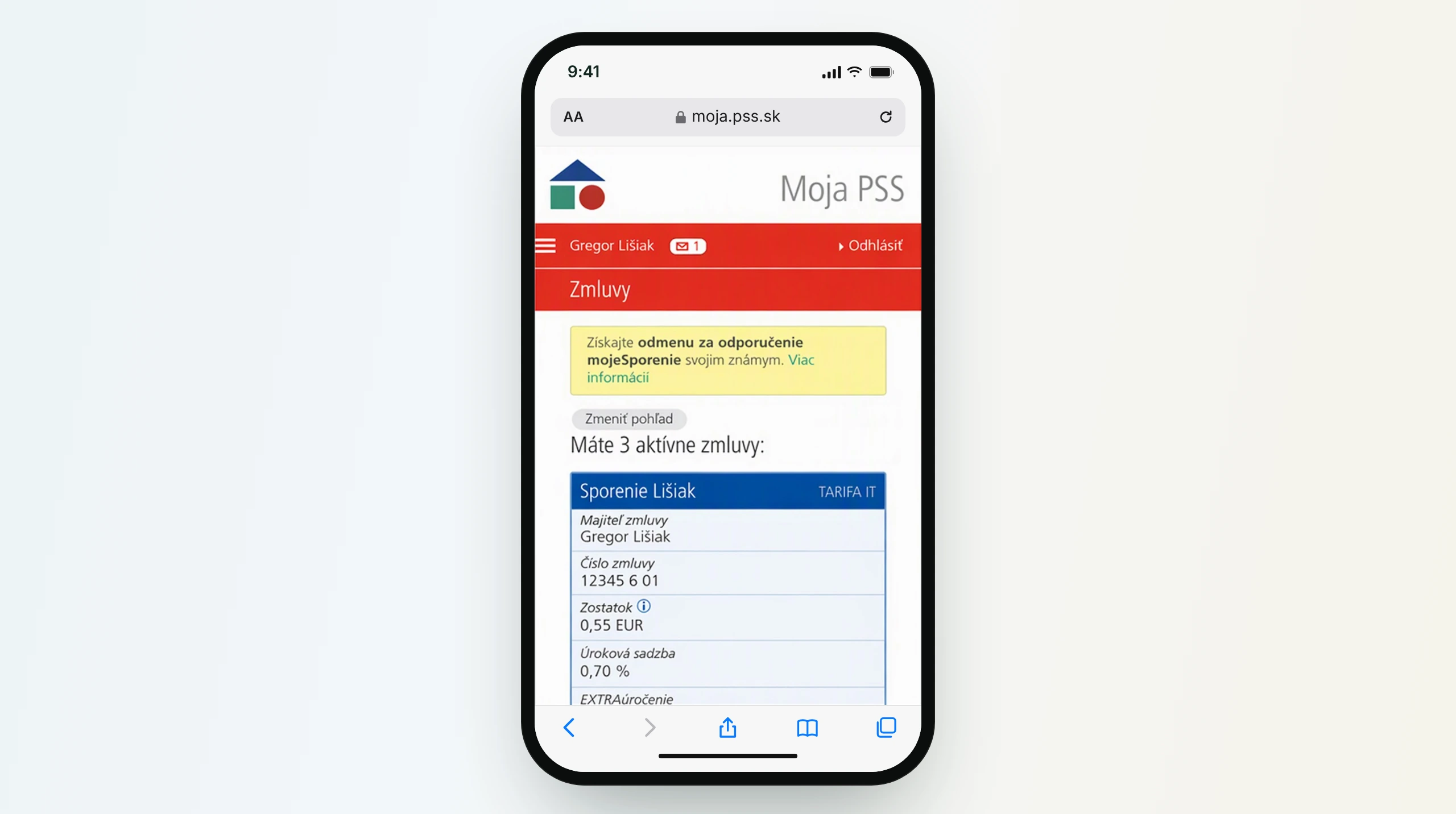
The original portal did not meet modern expectations. It was held back by slow loading and by its link to a legacy system that PSS was due to switch off at the end of the year, and its UX lagged behind the competing banking apps clients know. Functionally, the brief was mainly to move the existing features into the new app 1:1. On top of that, PSS wanted to bring service requests that until then ended at a branch or on the helpline into the app.
The deadline was set by the shutdown of the legacy system. By 31 October 2026 we had to replace a portal that clients use every day and keep all of its functions from day one. From the first workshops at the end of March we had about 7 months, 4 of them for development.
02Regulation
Why this is not an ordinary redesign
This is a banking app that handles clients' real money: they make deposits, withdrawals and transfers between contracts, and set up accounts and limits. That sets the bar for every line of code:
- development in line with OWASP ASVS Level 2
- readiness for the DORA regulation on digital operational resilience in the financial sector
- readiness to connect to the bank's SIEM and technical monitoring
- compliance with the WCAG 2.2 accessibility specification
These requirements were acceptance criteria from the first sprint.


What I valued most was the professionalism in the final phases of the project: delivery, preparation for testing, regular demos of results and project management. Thanks to effective communication, we kept to our deadlines even through complex testing and the rollout of the new solution.
03Legacy
Instead of rewriting the core systems, we built a BFF
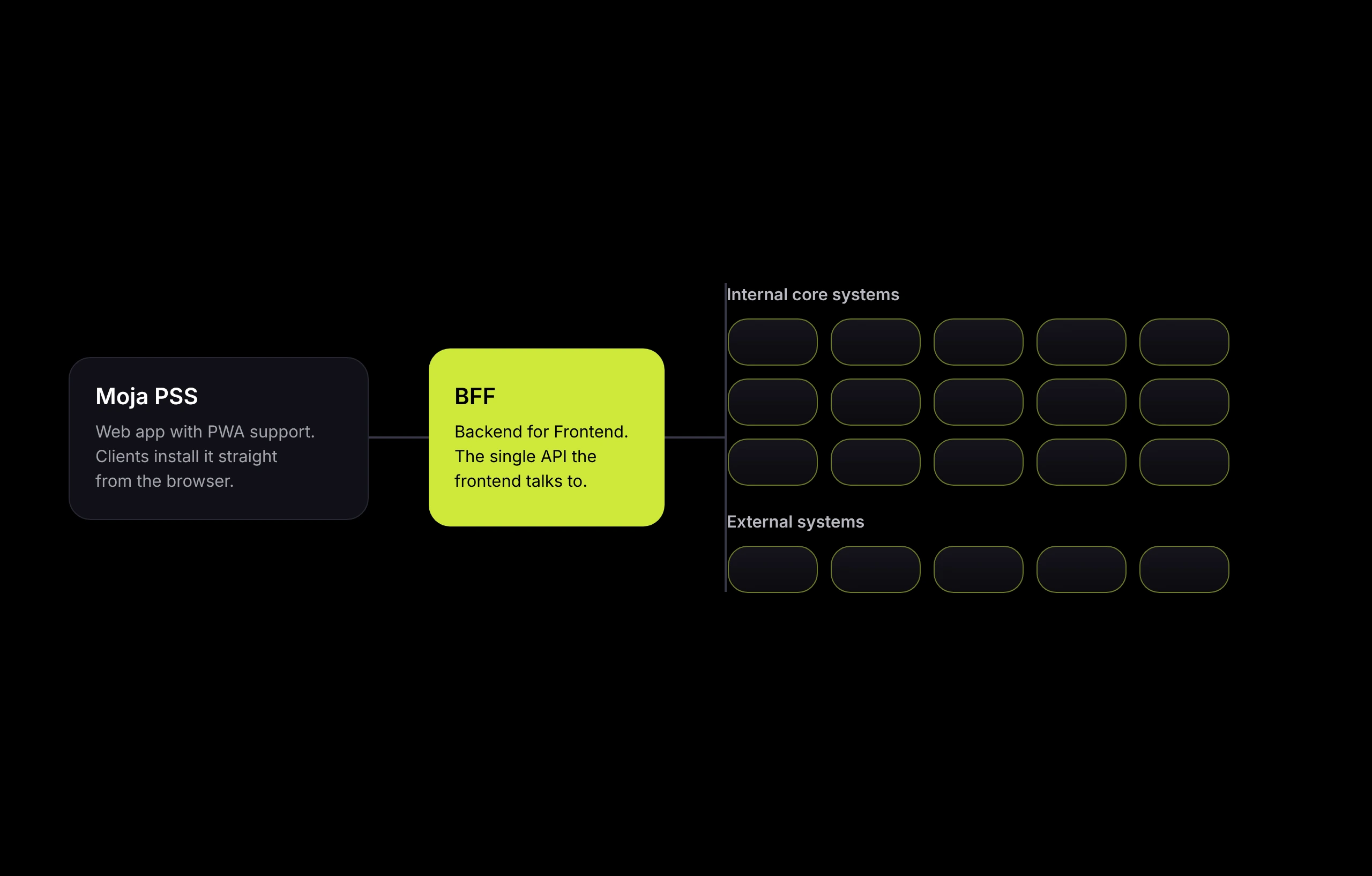
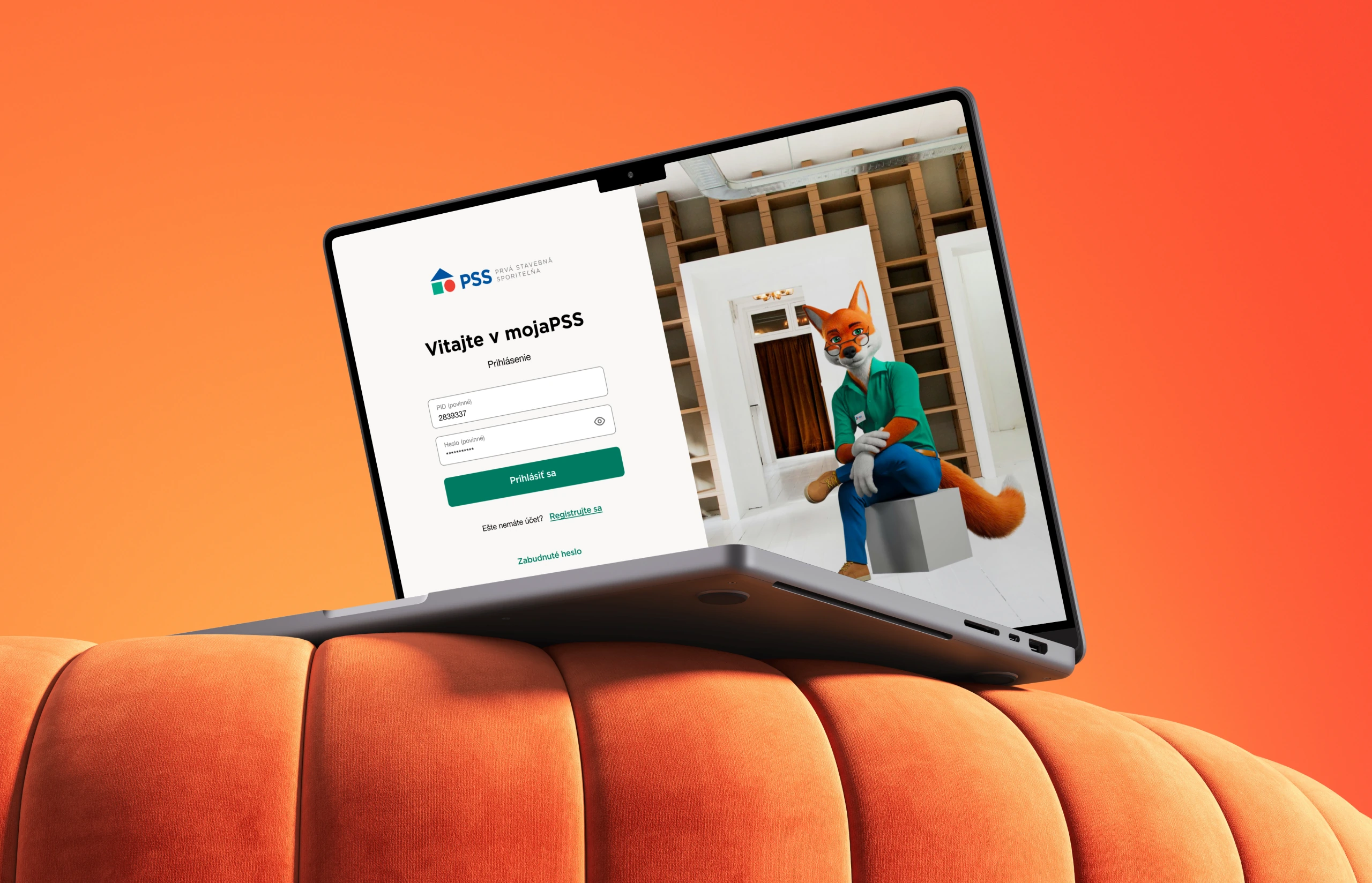
Moja PSS is a practical example of how to approach modernising a legacy system without getting stuck in the legacy trap. The PSS core systems run contracts, payments and client data. Rebuilding them would be expensive, slow and risky, so we left them untouched. We replaced the original client portal with a modern app and built an integration layer between it and the core systems: the BFF (Backend for Frontend).
The frontend talks only to the BFF, a single API that calls 15 PSS core systems and 5 external services on its behalf. The less data leaves the core systems, the less of it can be misused. That is why the client's browser never sees raw data, only the finished values a screen displays, and error responses reveal nothing about how the core systems work internally.
The BFF also separates two different paces of change. The core systems have to change slowly, because above all they must be stable. The client zone above them, however, we can change quickly. That is why the frontend and the BFF have their own team and their own release process.
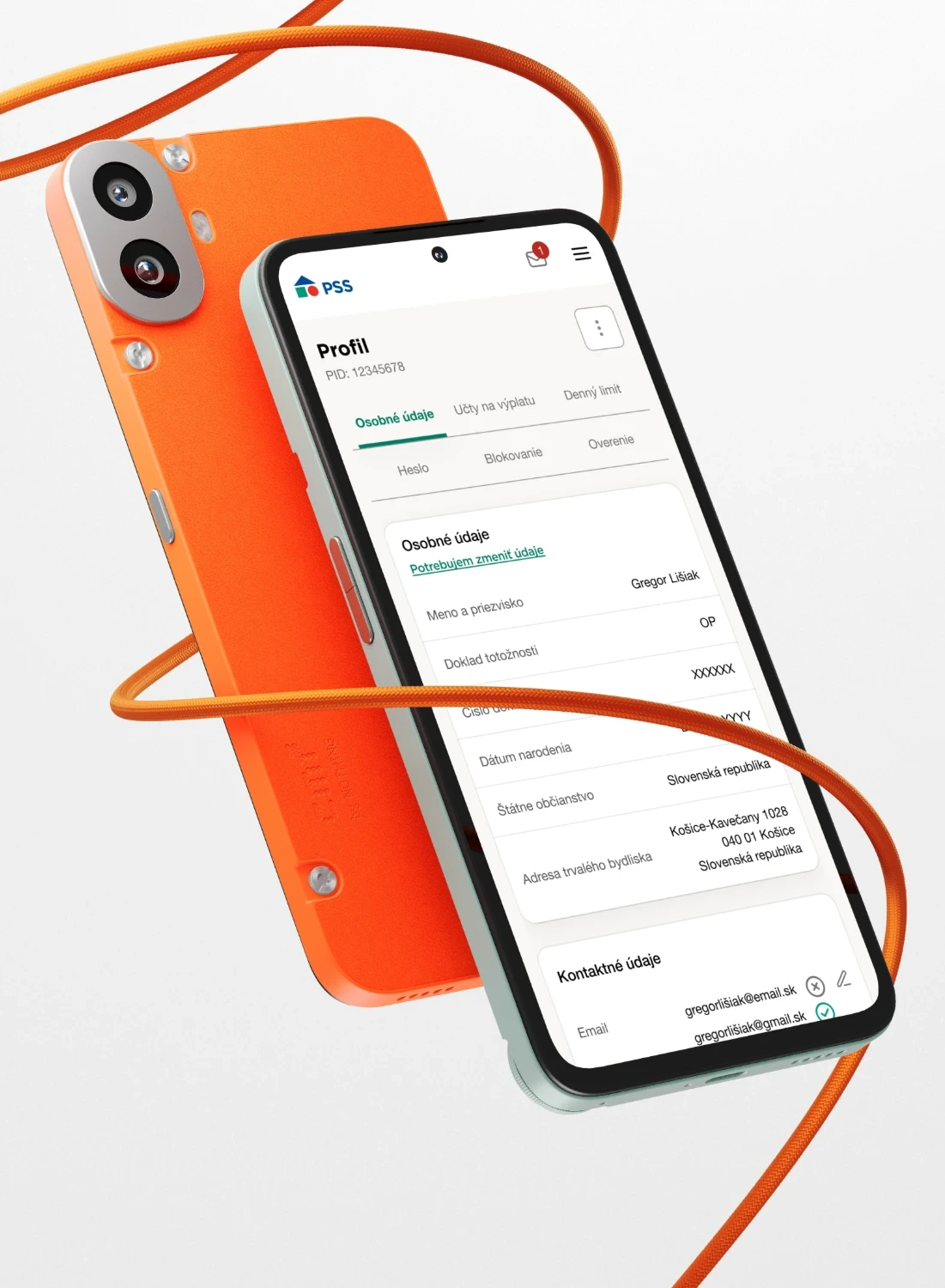
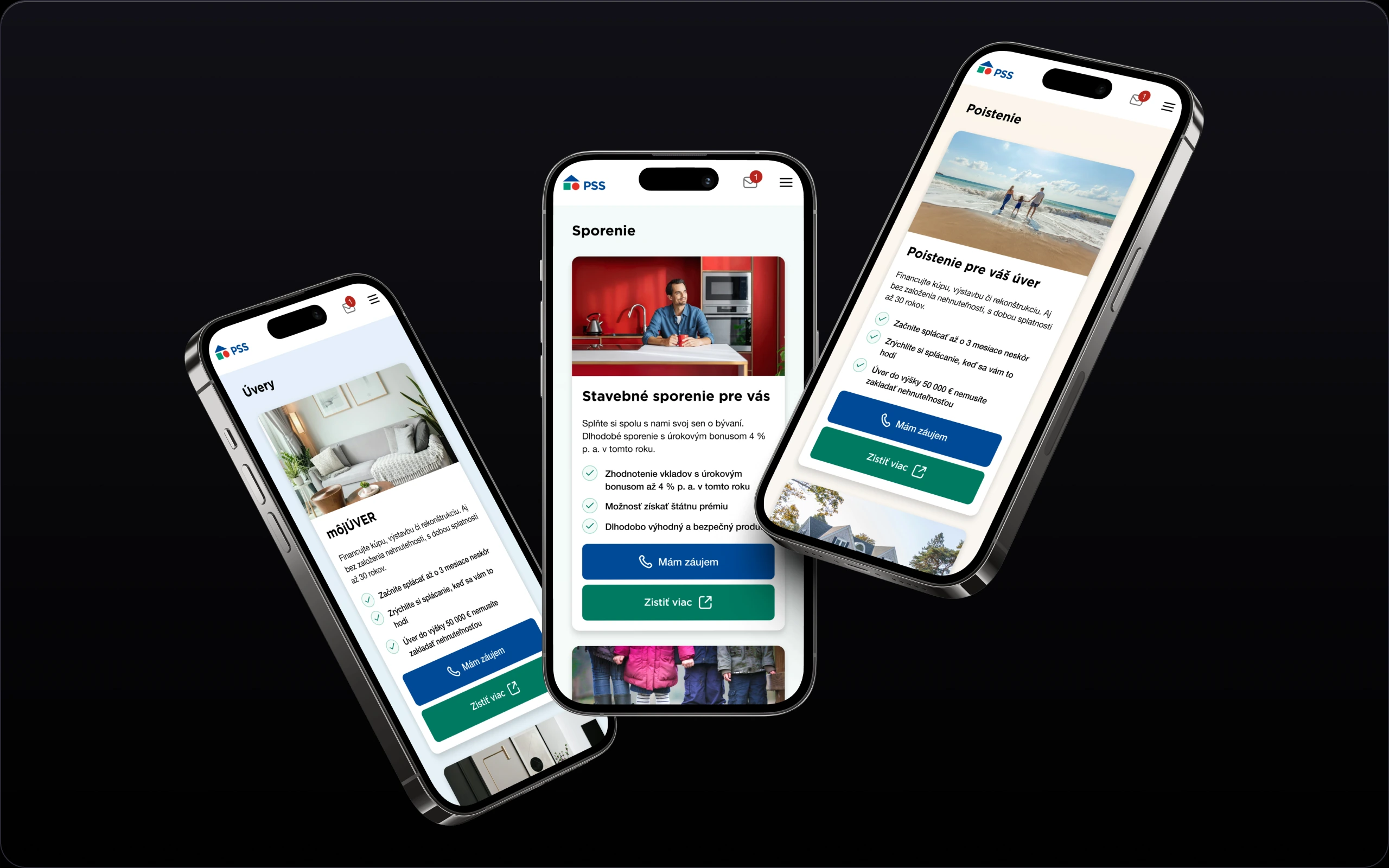
The result is a PWA (Progressive Web App). Clients install Moja PSS on their phone or computer straight from the browser, with no need to download it from Google Play or the App Store.
04Analysis
How we mapped the old system
The basic rule was to map the existing solution before any new code is written. Documentation is never enough, because it does not describe everything that actually happens in the system.
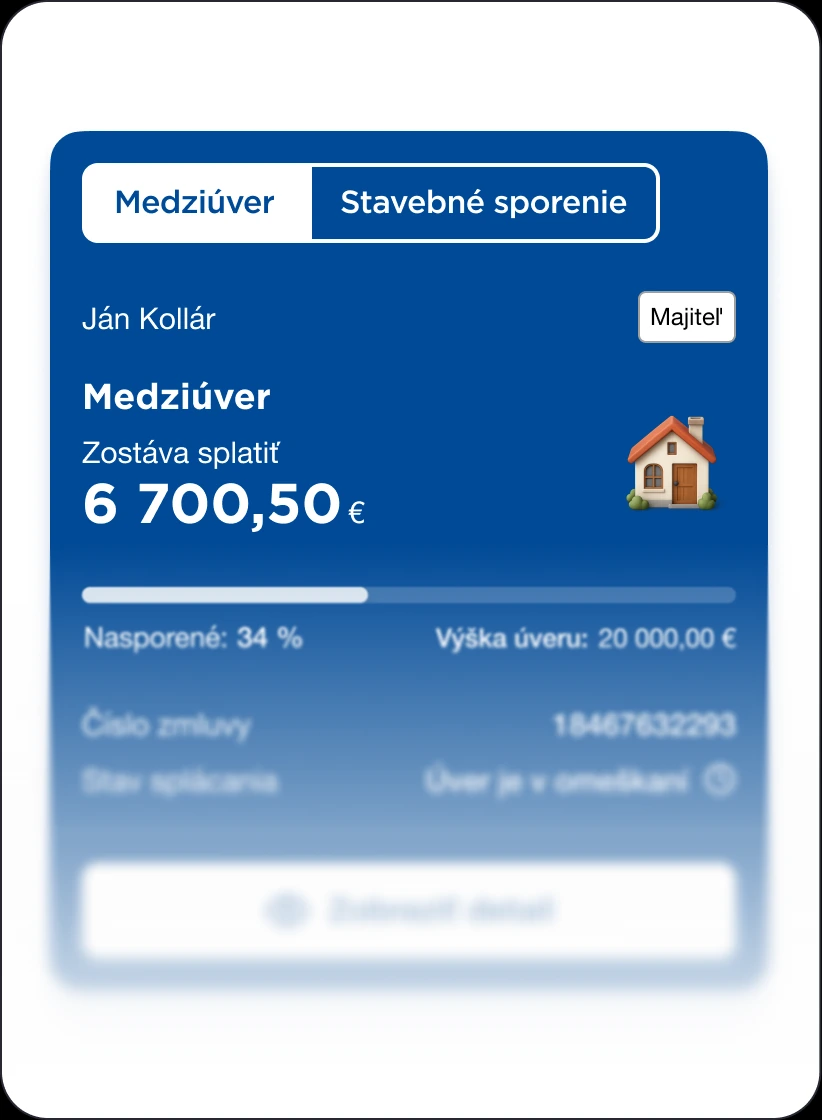
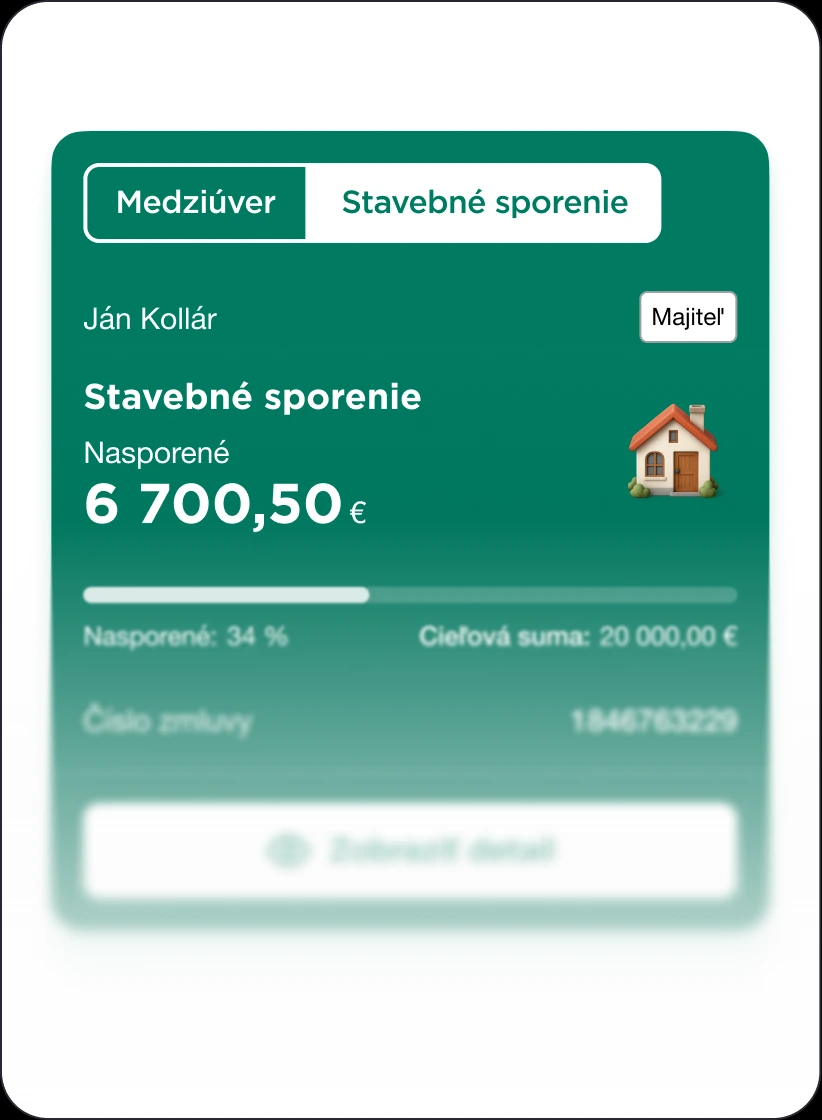
With the help of AI, we produced AS-IS analyses for the modules of the original portal: the model went through the frontend and backend source code and compared it with the brief, architecture diagrams and screenshots. We verified the findings in workshops with PSS and built the TO-BE specification and the design in Figma on top of them.

05AI SDLC
How we built our agentic development process
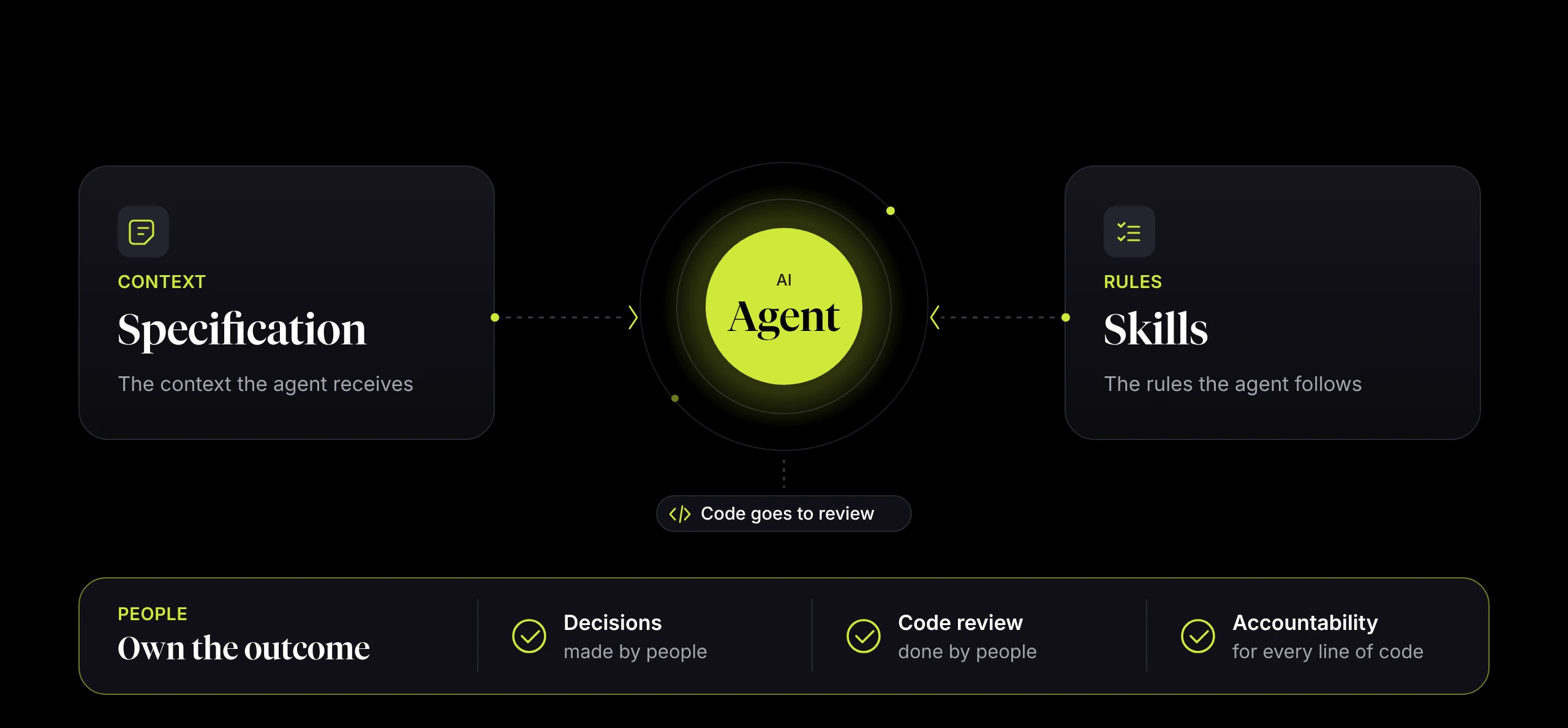
Our AI SDLC, a development process built around agents, rests on two things: the context the agent receives and the rules it works by. The context is the specification, the rules are skills. People make the decisions and do the code review, and they remain responsible for every line of code.
06Specification
A specification that both people and agents can read
In agentic development, a specification is not a document that gets written and filed away. It is the input from which the code is created.
We gathered information about backend services and business processes through workshops and consultations, because no documentation existed for them. Without structure, knowledge gathered this way would be lost in meeting notes. That is why every user story has five artefacts: an implementation-ready business specification, technical details for development, instructions for agents in the repository, diagrams in Mermaid and a version changelog.
07Skills
Skills as rules
A skill is a guide for an agent on a specific type of work: what to follow, how to proceed and how to verify the result. The frontend has 14 of them, the BFF 18. The BFF also has 11 binding rules covering architecture, API, database, error handling, security and testing.
- Consistent quality. The agent builds every screen and service the same way and according to the design system. It reads the design through Figma MCP and implements it pixel perfect in a fraction of the time. Any developer can then take over the code.
- Security and audit. Every new operation in the BFF must have an audit record, and sensitive data is masked in logs.
- Verification before handover. For every change the agent prepares tests, tries the change out and only then moves on to code review.
- Handing over the work. Before any code is written, there is a plan that a person approves. Every change comes with a description and screenshots that a non-technical colleague can follow too.
- Learning. When we find a bug, we do not just fix the code, we add a rule to the skill. Over 4 months we updated the skills 189 times.
08Results
Fewer than one defect per feature
During testing, including UAT, we found 43 defects across 50 frontend features, and a typical fix took 30 lines of code. We systematically cover edge cases and check the visual consistency of screens against the design. We prepared test scenarios for complete user journeys and automated part of the testing. As a result, PSS has a foundation on which it can repeat regression testing, instead of building it from scratch with every change.
The application went through a penetration test that produced three findings, all with LOW priority. For an application that handles clients' money, this is an external confirmation that the security rules written into the skills and the mandatory checks in the pipeline hold up even at the pace at which we were developing.
What the project taught us
AI speeds things up only where the rules are clear. We invested time in skills and specifications first. Without them, AI would have produced inconsistent output.
The pace of development grew gradually. In June and July we completed 5 features on the frontend, in September and October already 33. In the first weeks a lot of effort went into setting up skills and agents, then the investment paid off in full.
The specification is the new code and context for AI. In agentic development, a quality brief has the biggest influence on the result. The more precise the context, the fewer the corrections.

Despite a demanding schedule, we managed to keep both the deadline and the quality of delivery. The GoodRequest team's flexibility and ability to respond promptly to changes and new requirements were a great asset, and we never lost sight of our shared goal.
Ready to start a project?
Let's build together.
Schedule a call or send an email.
Contact usNot sure where to start? Download our product brief template.